
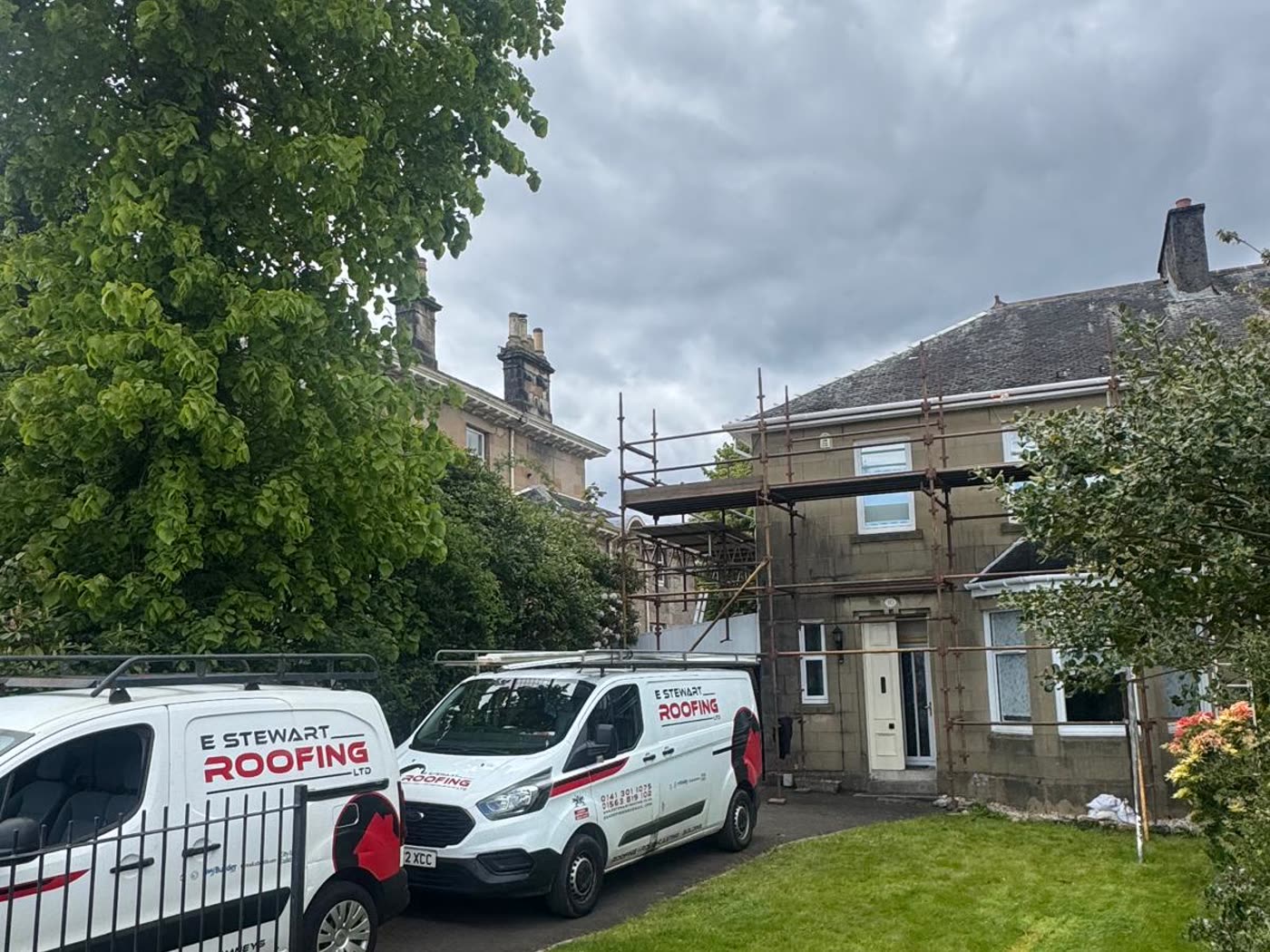
Exterior rendering
Smooth and textured render, made to suit the wall behind it.
In short
Exterior render protects the wall and changes the look of a property, but it only works when the mix suits what is underneath. Traditional solid walls need a softer, breathable render that lets moisture move; modern blockwork can take a stronger cement-based system. Putting a hard render on a soft wall is the single most common cause of cracking, and it usually shows up within a couple of winters.
Rendering is often the cheapest way to transform how a house looks, and it genuinely improves weather resistance on an exposed elevation. It is also the job where cutting corners on preparation shows up fastest.
When rendering is the right answer
- Masonry that is porous and letting driving rain through
- A mismatched elevation after an extension or alteration
- Existing render that has cracked or blown across a large area
- Wanting to change the appearance of the property significantly
- Wind-driven rain persistently getting into an exposed wall
- Previous repairs that have left the wall patchy
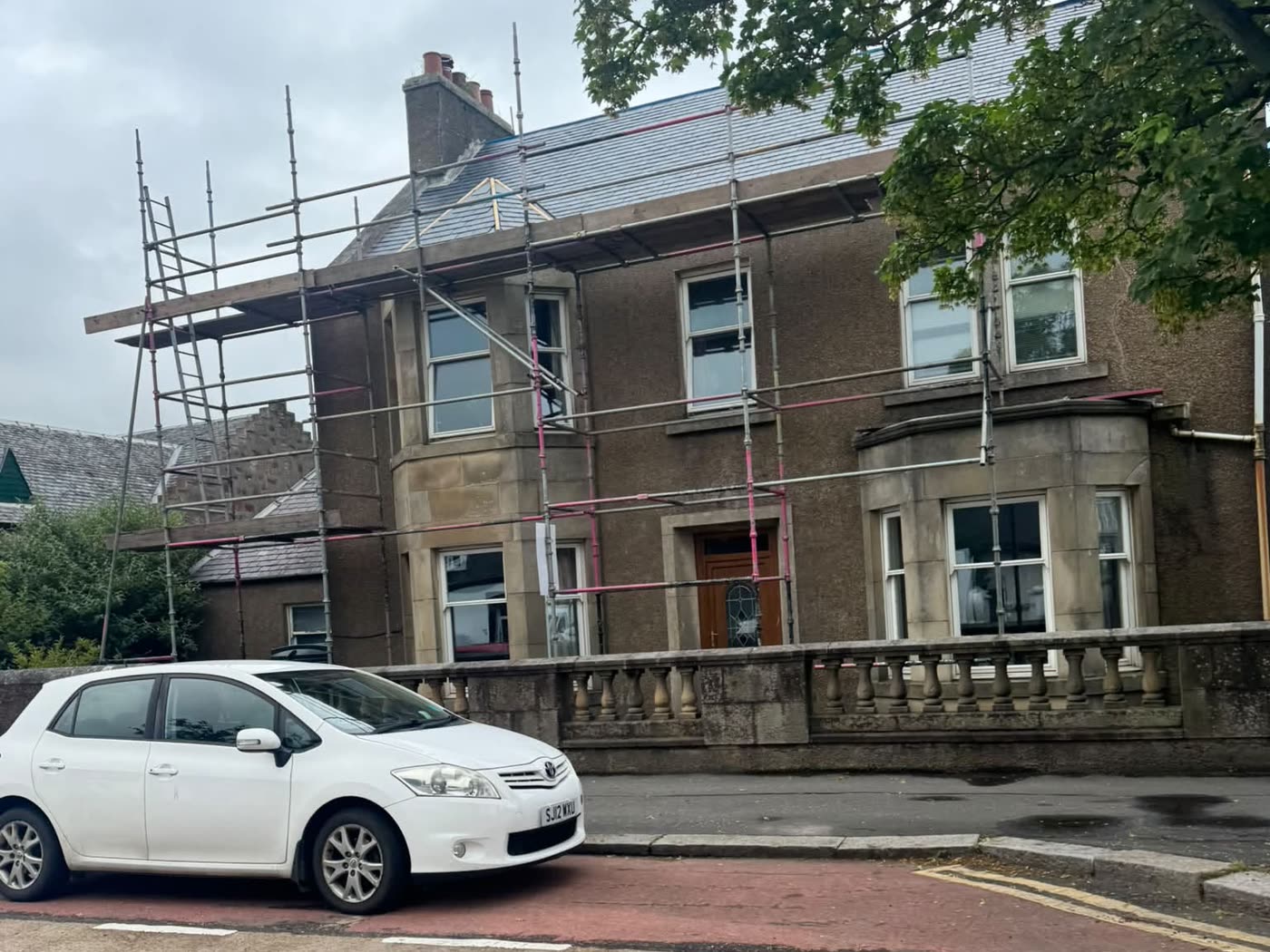
What the job involves
Every roof is different, but the shape of the work is usually the same. Here is how a typical exterior rendering job runs.
Assess the wall
What the wall is built of decides what can go on it. That is worked out before anything is specified.
Prepare properly
Loose material comes off, the background is cleaned and any repairs to the masonry are done first.
Beads and reveals
Stop beads, bell casts and corner beads are set so the edges and reveals are straight and water is thrown clear.
Base and finish coats
Coats go on in the right order and are given time between them, rather than being rushed to get off site.
Protect while curing
New render is protected from frost and strong sun while it cures, which is a large part of whether it lasts.
Want someone to take a look?
Call 07464 695657 or send a photo on WhatsApp and you will get a straight answer on what it needs.
Exterior rendering near you
E Stewart Roofing Ltd covers Glasgow, Ayrshire and the west of Scotland. Pick your area for local detail, or call 07464 695657 if you are not sure whether you are in range.
Frequently asked questions
How long does render last?
A correctly specified and applied render should last for decades. Where render fails early it is almost always because the mix was too strong for the wall, the preparation was skipped, or it was applied in the wrong conditions.
Can you render over old render?
Only if the existing render is sound and well bonded across the whole area. If parts of it are hollow, rendering over the top just means the new work comes off with the old.
Will rendering fix my damp problem?
Sometimes, where the damp is genuinely wind-driven rain coming through a porous wall. It will not fix rising damp or a leak from a gutter or a roof, and rendering over those problems traps the moisture in.
Do I need planning permission to render my house?
Usually not for a normal house, but listed buildings and properties in conservation areas are treated differently, and some estates have conditions attached. Check with the council before committing.
What is the difference between render and roughcast?
Render is the general term for a wet coating applied to a wall, and it can be finished smooth or textured. Roughcasting is a specific Scottish finish where the final coat is thrown on to give a rough texture.